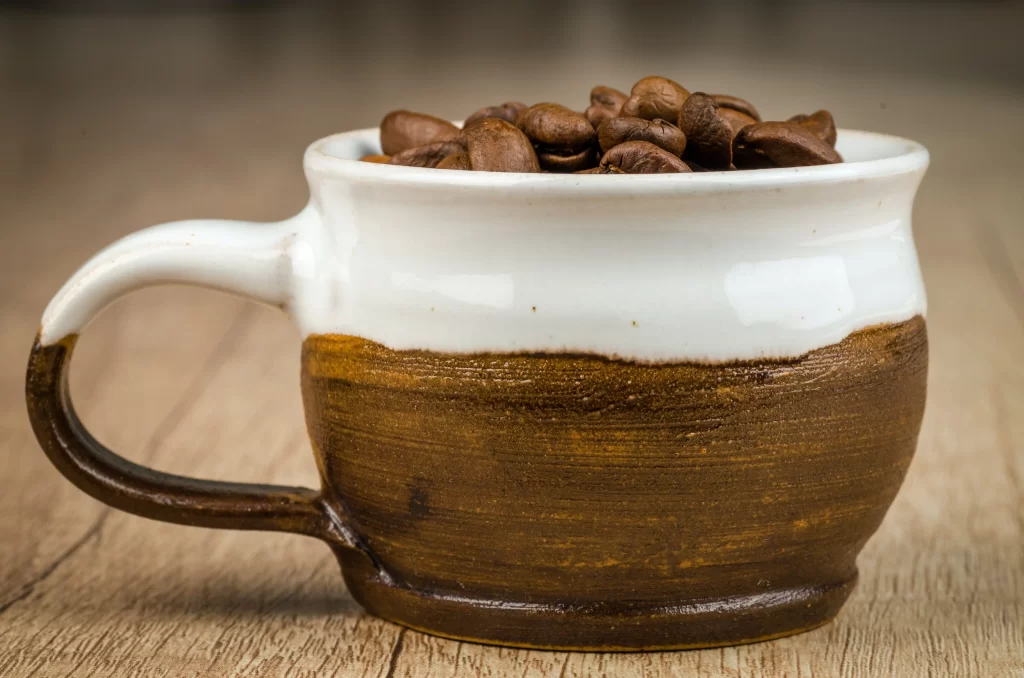
Finding the perfect cup of coffee can feel overwhelming, especially with so many bean varieties, brewing methods, and storage options available today. But enjoying great coffee doesn’t need to be complicated. By understanding a few key elements—from choosing the right coffee beans to knowing how they’re packaged, transported, and ultimately prepared—you can dramatically improve the flavour in every cup.
This article is the first of the series “Finding the Best Way to Brew Your Perfect Cup”, covering all you need to know about coffee beans.
Whether you’re brewing at home or looking to improve the coffee experience in your workplace, these simple but effective tips will help you discover the coffee that truly suits your taste.
Arabica Coffee Beans
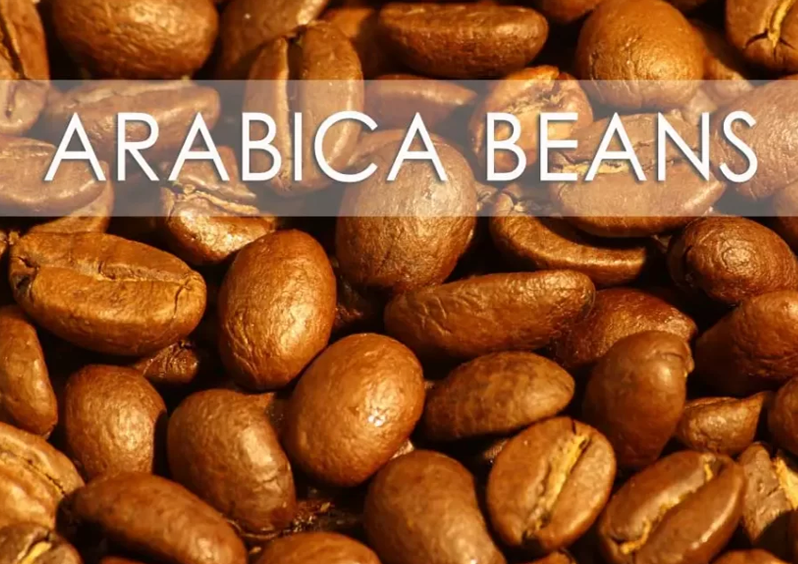
The first ever type of coffee beans, it is originally from Ethiopia, where the Oromo tribe ate the beans, crushed and mixed with fat, as a stimulant.
Later, these beans were brought to Arabia, where we find the first written records of a brew made from roasted coffee beans by the Arabian Scholars, who said it helped prolong their working hours; from there, it got the name Arabica.
It grows at higher altitudes and takes about seven years to fully mature. Two to four years after planting, small, white flowers begin to grow and produce a pleasant, jasmine-like scent. Some of the countries producing Arabica Beans are Costa Rica, Mexico, Guatemala, Ecuador, Colombia, Ethiopia, Burundi and Brazil, the latter being the largest producer of them all.
Arabica Taste
Coffee made from Arabica Beans will have a light, sweet, and smooth taste. It produces a softer-tasting coffee than the second-most-used bean, Robusta. For comparison, if we were discussing wines, the Arabica would be the Merlot of the family. A coffee roast made of 100% Arabica will be more expensive and less widely available, but if your preference is a lightly sweet, smooth-tasting espresso that does not carry the accentuated taste of caffeine, then this is the bean for you.
Robusta Coffee Beans
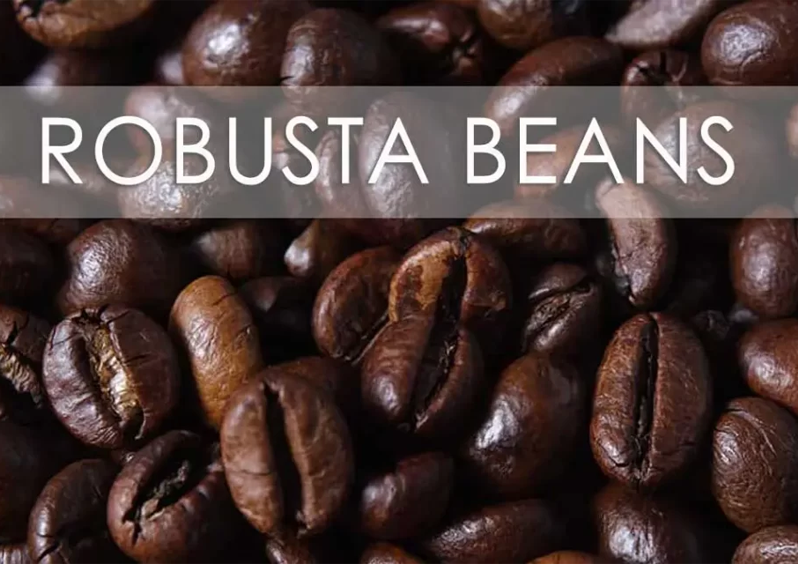
These beans are cultivated in the eastern hemisphere, mainly in Africa and Asia. It is easier to cultivate, can be grown in larger quantities, and is less affected by diseases. It only takes ten to eleven months to mature, making it more viable for the producer and consequently more plentiful and cheaper. Because it can be grown faster and in larger quantities, it is often seen as inferior, but this is not always the case. It’s just a different type of bean, cultivated in a different climate, resulting in a different taste.
Robusta Taste
Robusta has 2.2% – 2.7% caffeine, compared to 1.2% – 1.5% in Arabica beans, and the sugar content is generally 3 – 7% for Robusta, compared to 6 -% in Arabica. The result is a much stronger and more bitter taste than the former. A high percentage of Robusta is the best option for those who prefer a full-bodied espresso with a crisper, heavier caffeine taste.
Finding the best way to brew your perfect cup of coffee doesn’t have to be complicated. With so many blends and flavours available, there is something to suit almost every preference — whether you enjoy something smooth and mild or rich and bold.
Choosing the right blend is only part of the journey. It can be just as challenging to decide which brewing equipment best fits your needs. Based on our experience in the Irish market, we recommend selecting coffee machines that consistently deliver the taste and quality people expect.
For smaller teams or low‑volume environments, a professional instant coffee machine offers speed, convenience, and reliable results. For larger groups or workplaces that want the freshest flavour, a bean‑to‑cup coffee machine using fresh coffee beans will provide a more aromatic, café‑style experience.
If you must choose only one blend for a group, these two options generally satisfy most tastes:
- A medium blend of Robusta and Arabica beans — cost‑effective, balanced, and familiar, making it an excellent all‑round choice widely used in cafés.
- 100% Arabica beans — preferred by experienced coffee drinkers for their smoother, more refined flavour profile.
Selecting the right coffee blend is the essential first step toward enjoying a great‑tasting cup. Keep an eye out for our second article, which explores the next stage: how packaging and transportation influence freshness and flavour.
In the meantime, you’re welcome to contact B2B Coffee to arrange a demonstration and experience the full coffee experience for yourself.